
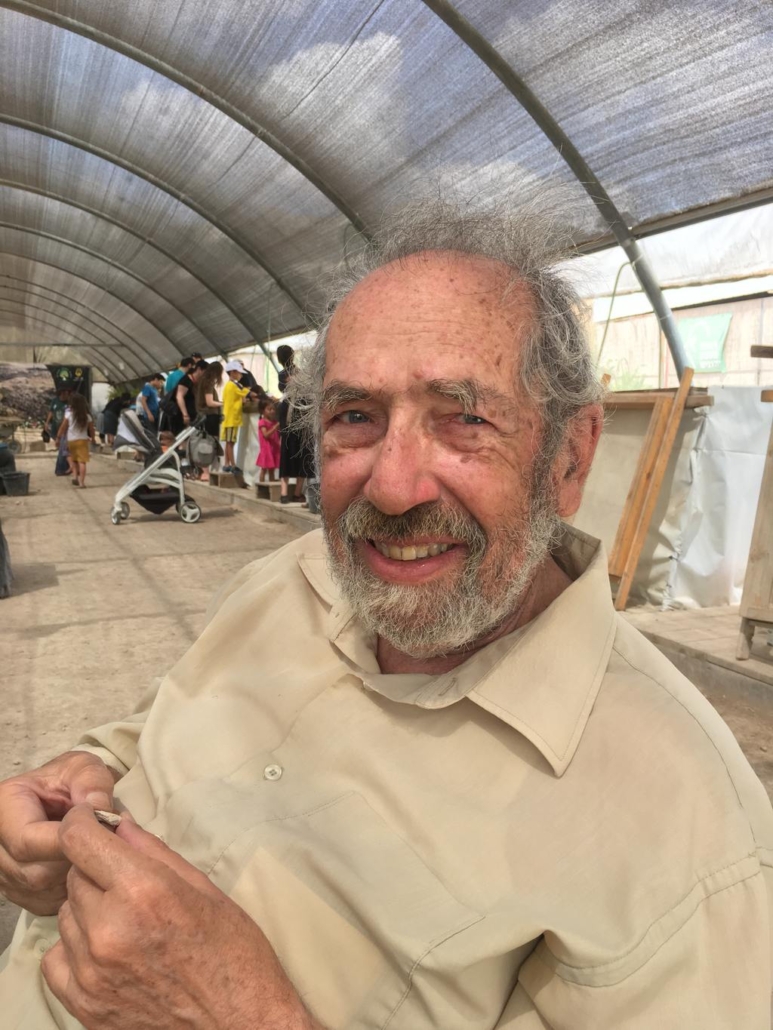
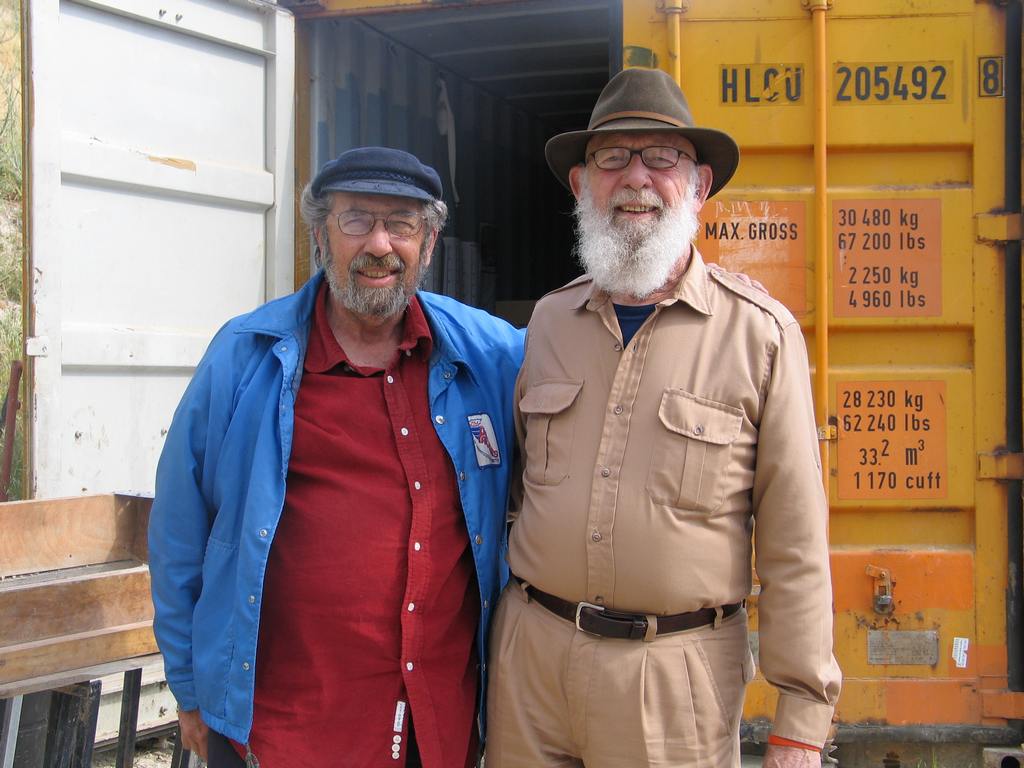
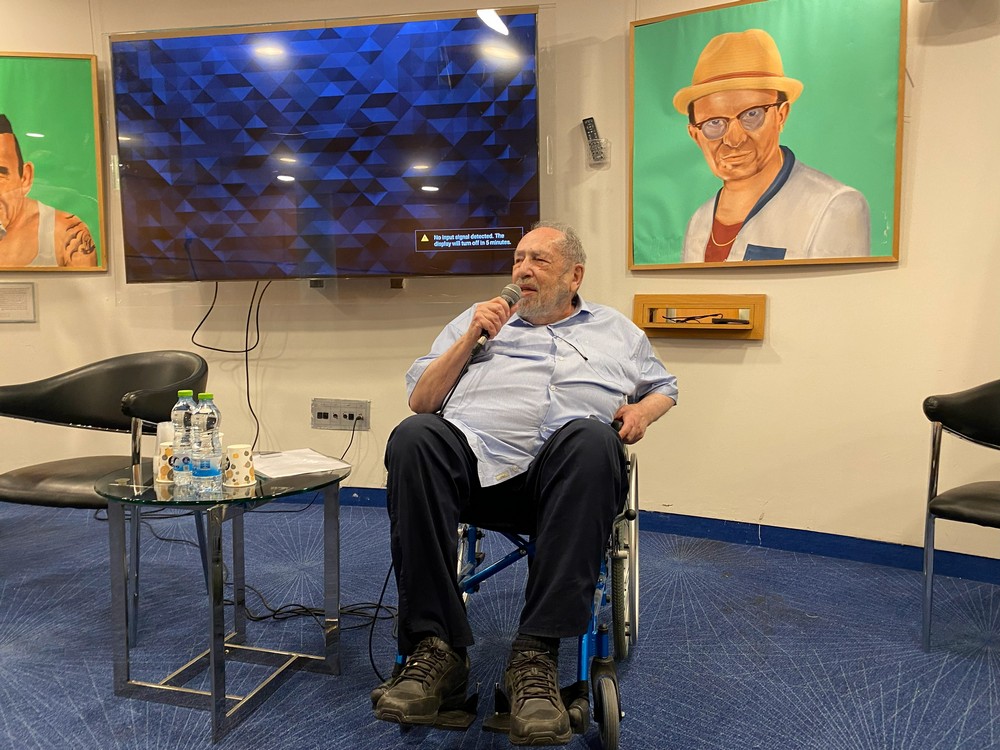
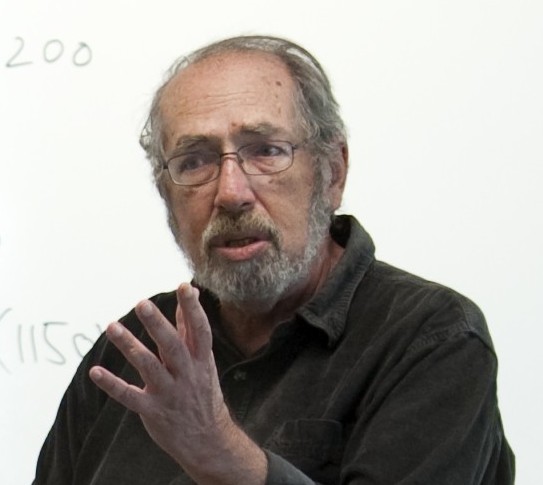
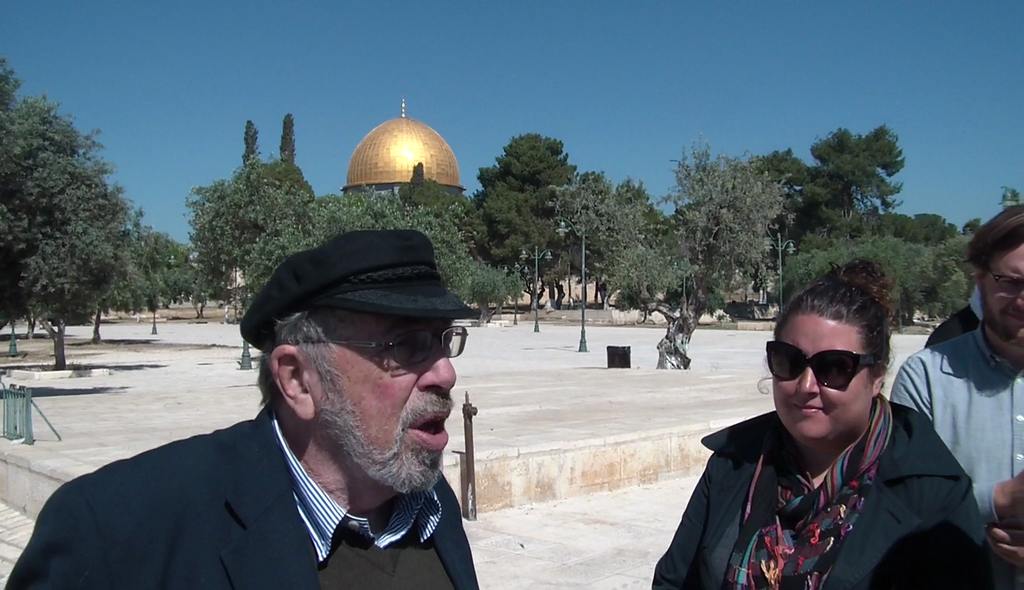
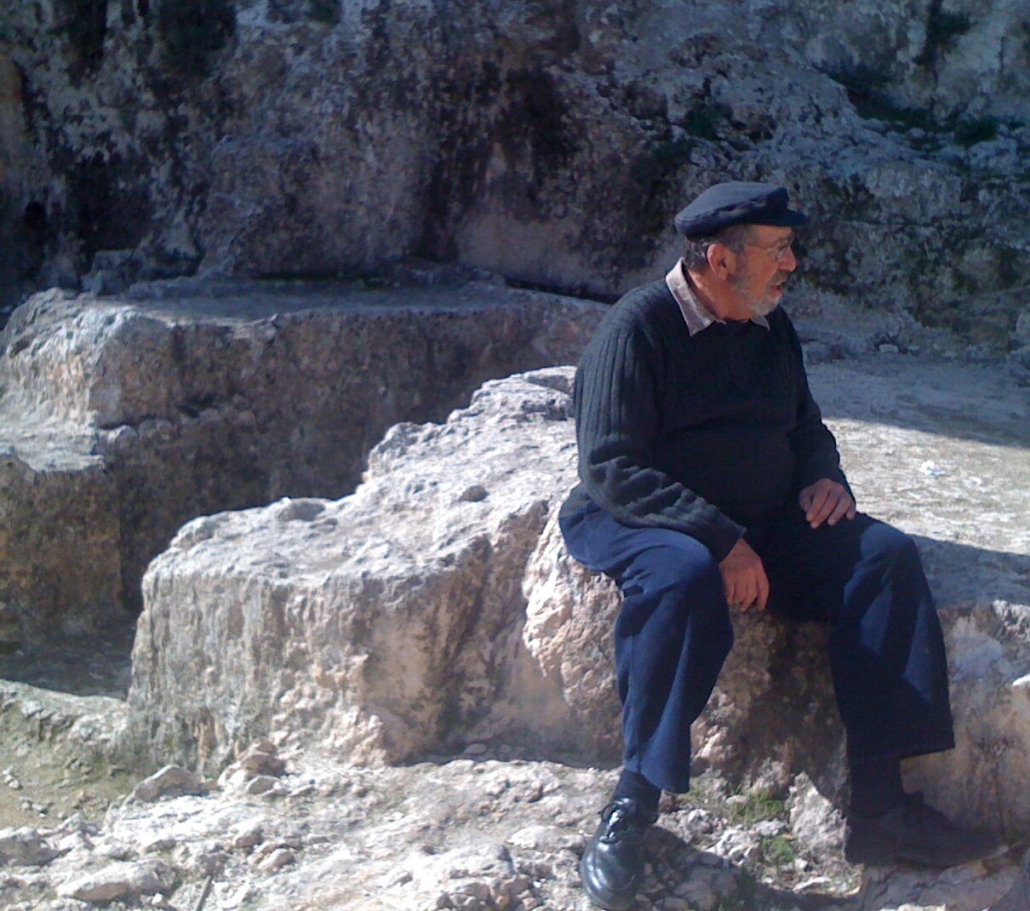
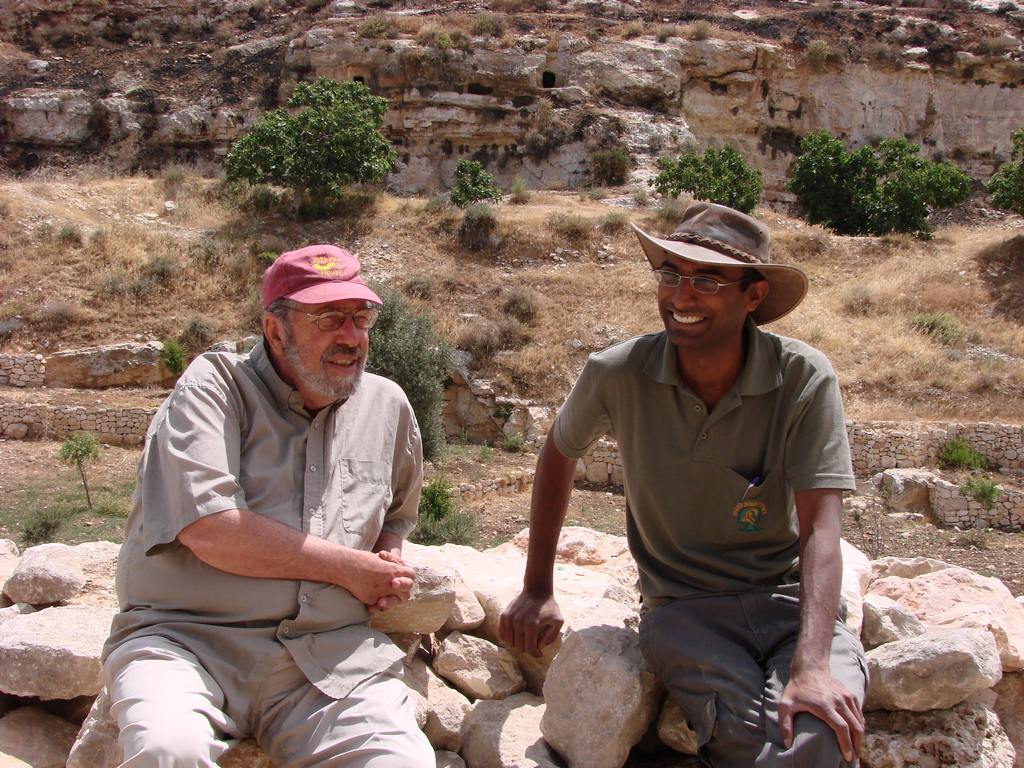
Gabriel Barkay z”l (1944-2026)
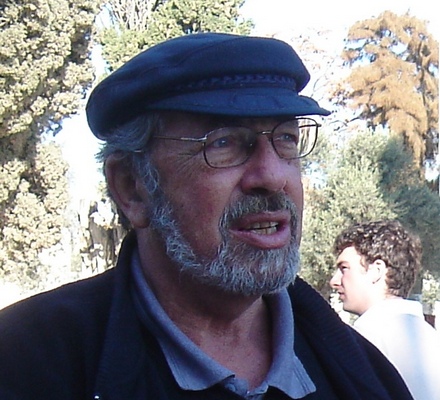
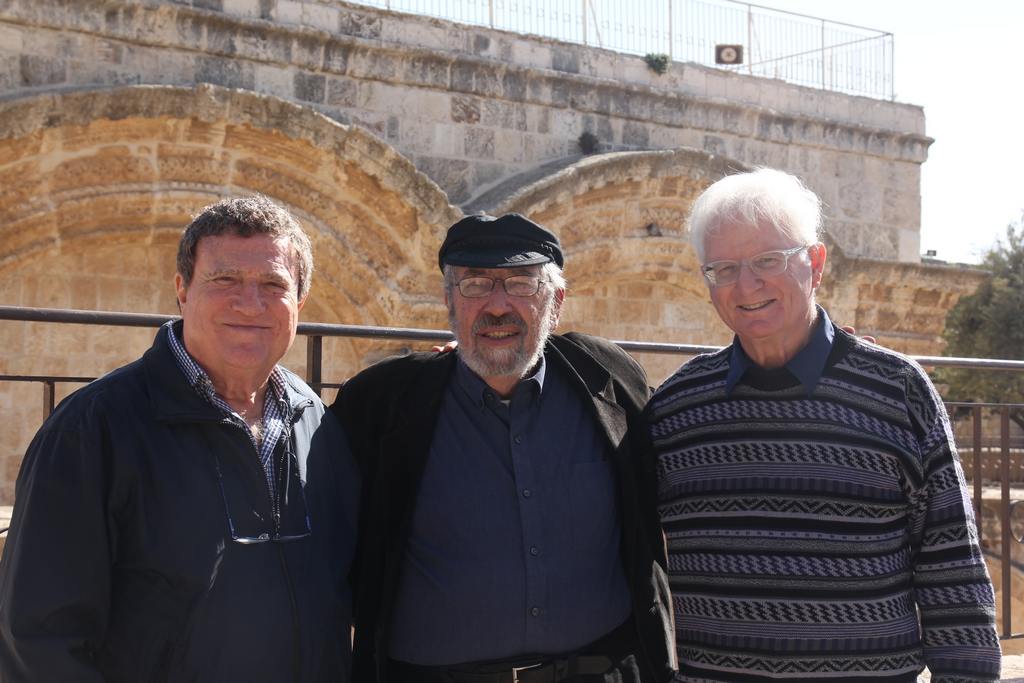
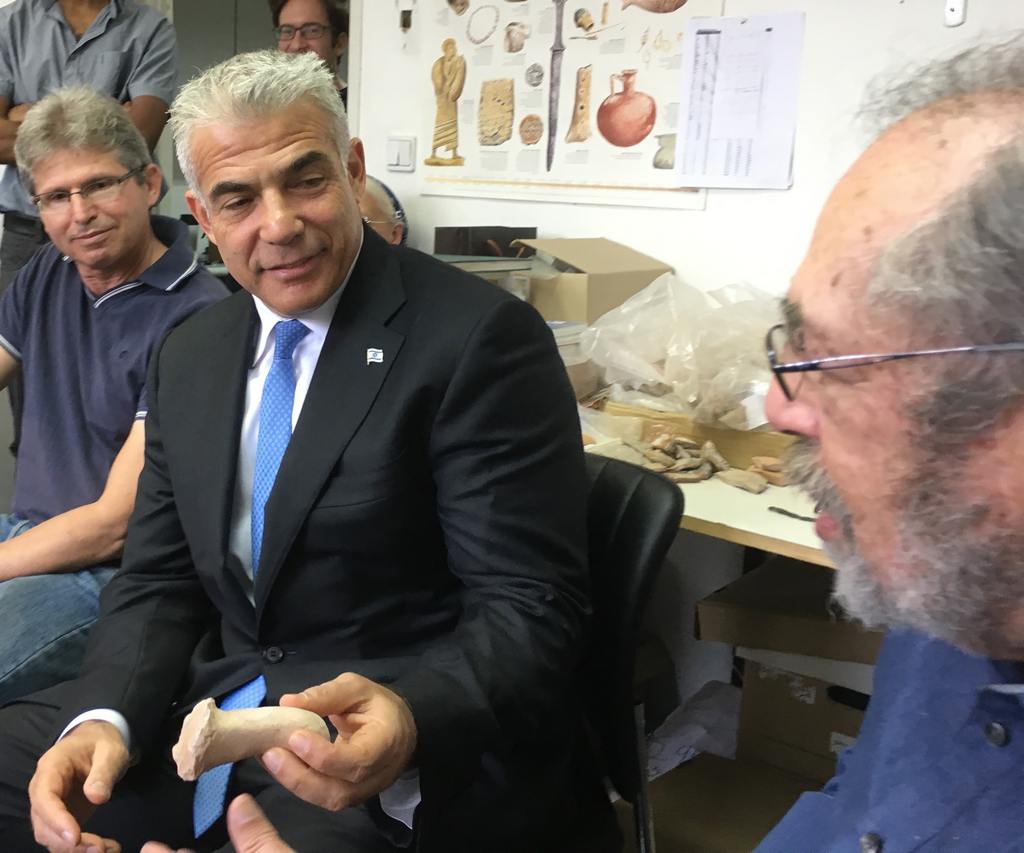
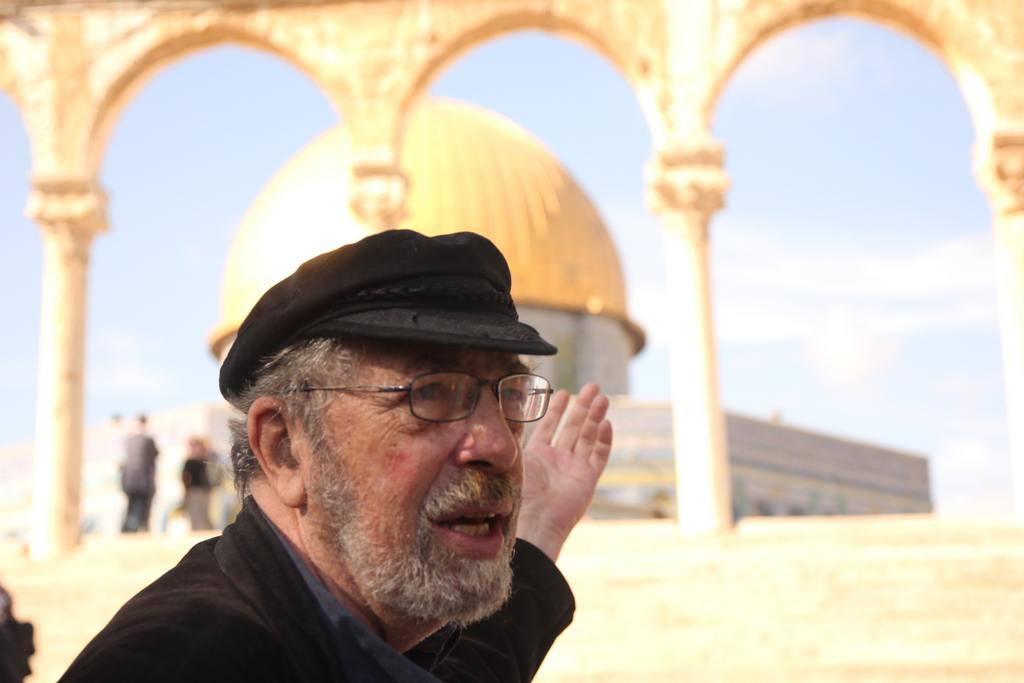
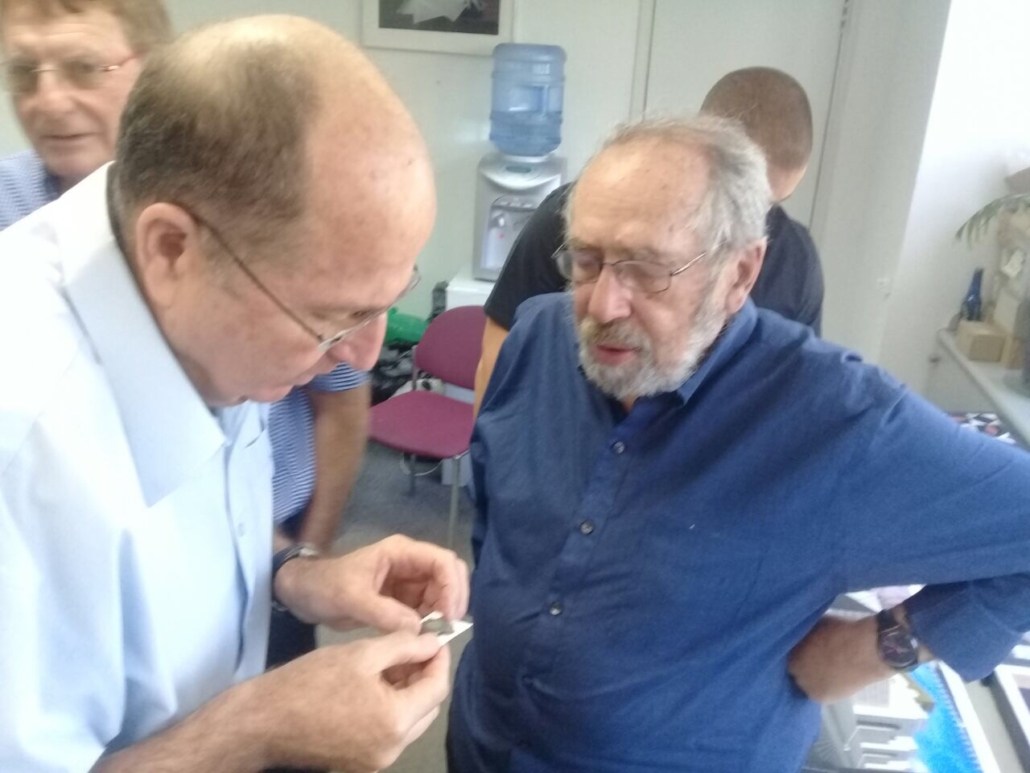
It is with great sorrow and deep shock that we announce the passing of Gabriel Barkay, founder and co-director of the Sifting Project. We assume most of you have already heard the sad news, but we felt it important to provide a formal update here as well.
Gaby passed away on Sunday evening at his home, following a long struggle with a severe illness. In recent years, as his medical condition deteriorated, Gaby was forced to gradually reduce his physical involvement in the project. However, we made sure to visit him and involve him in decision-making as much as possible. Even when he was not physically present, his spirit and vision continued to radiate upon our work daily. The news of his passing has left a massive void among us that will be difficult to fill.
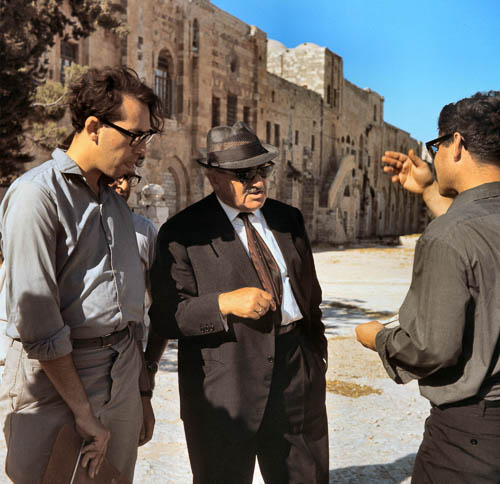
The funeral took place on Monday afternoon at Har HaMenuchot, Jerusalem’s largest cemetery. Gaby was laid to rest in the “Yakirei Yerushalayim” (Distinguished Citizens of Jerusalem) section, near the grave of Meir Ezri, who served as Israel’s ambassador to Iran in the 1960s, prior to the revolution. This is symbolic, as during that same period, Gaby participated in an archaeological excavation at Susa (Shushan) in Iran.
Gaby was a man of memory; fittingly, we buried him accompanied by memory. Into the soil of his grave, we mixed earth from the Temple Mount—earth with a grey texture due to the vast amounts of ash embedded within it, the result of the destruction of the Temple.
The following people delivered eulogies at the funeral: Elad Barkay (son), Amirit Rosen (Rabbi of the Moreshet Avraham community), Esther Yerushalem (Gaby’s spouse), Zachi Dvira, Rona Avissar (Director of the Israel Exploration Society), and Gadi Dahan (Gaby’s friend and neighbor and devoted angel).
You can listen to the eulogies (in Hebrew) at the link, and we have also included below an AI translation of the full text of Zachi Dvira’s eulogy. If you would like to learn more about Gaby’s biography, you may read this article, which was published two years ago in the Festschrift honoring his 80th birthday.
We intend to organize a memorial tribute evening soon, where additional figures who were a central part of his life—and did not have the chance to speak at the funeral—will be able to share their words. Details regarding the event will be published later.
Rest in peace, Gaby. We hope that the continued work of the Sifting Project will serve as a worthy monument to your memory and legacy.

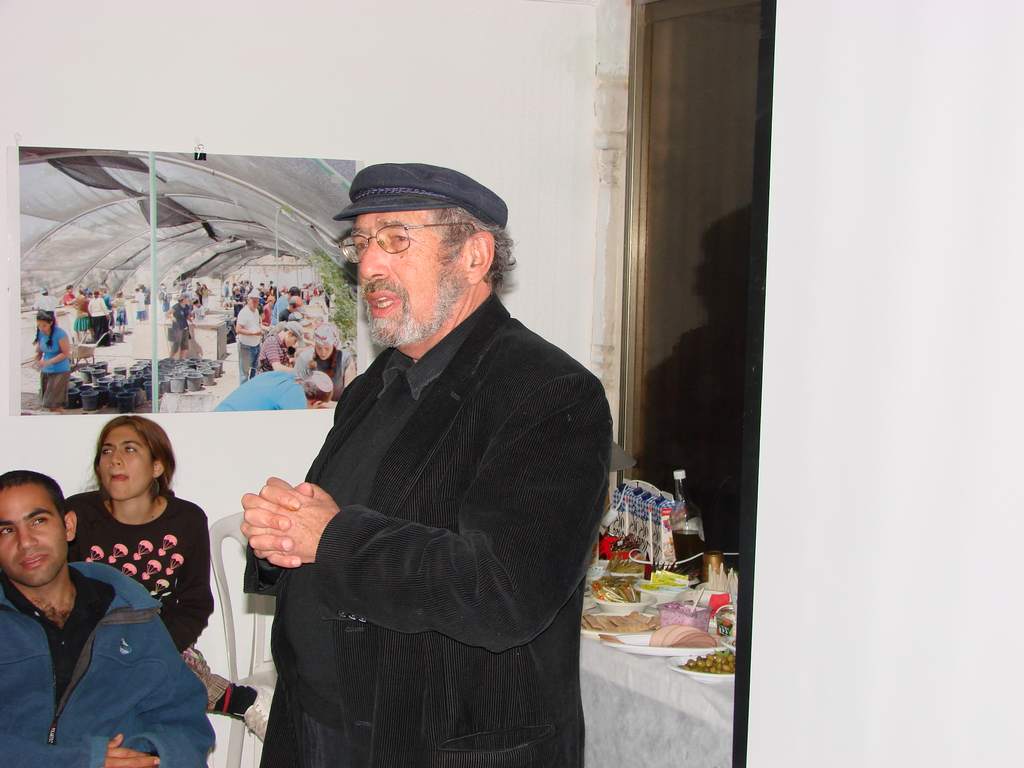
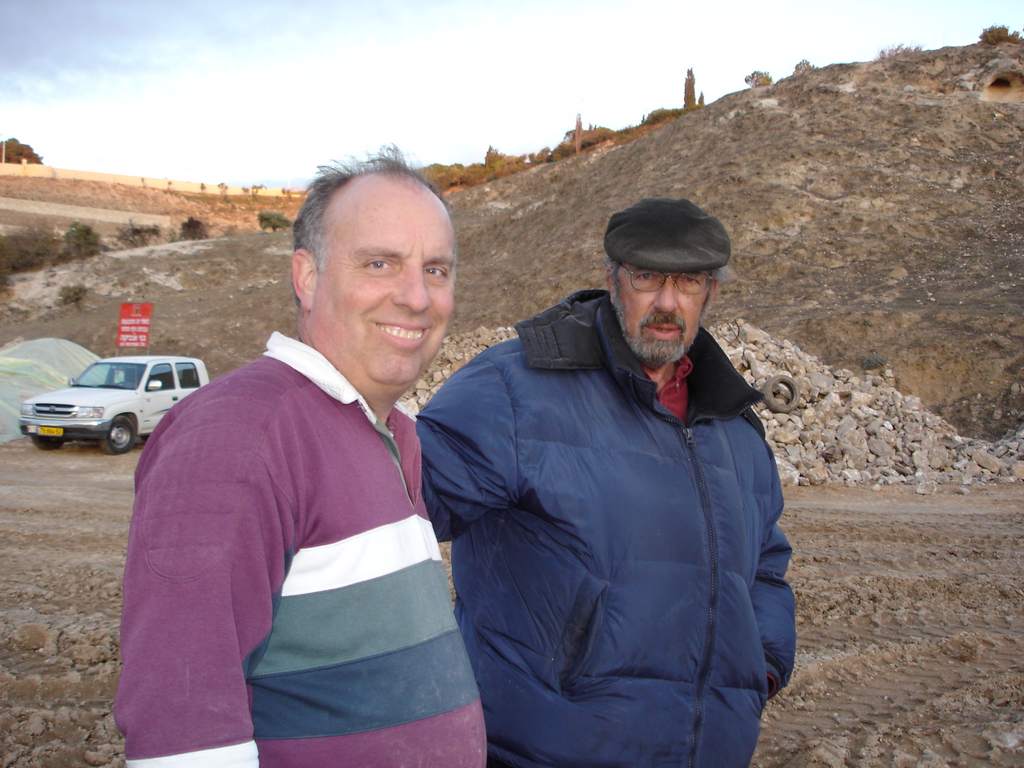
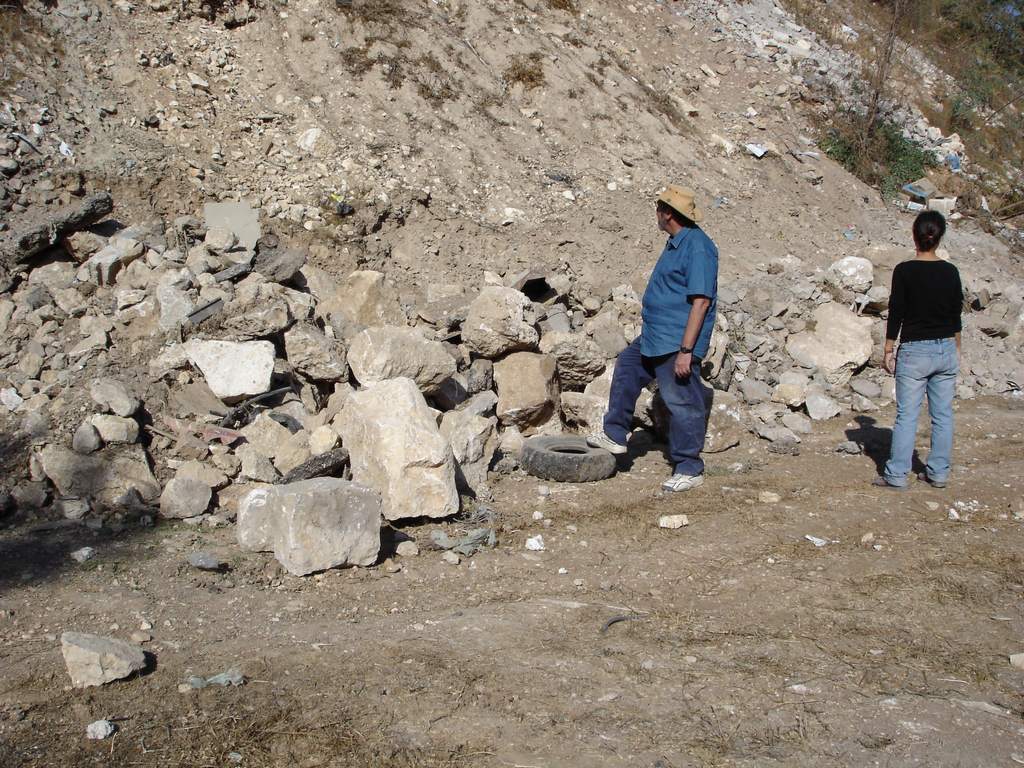
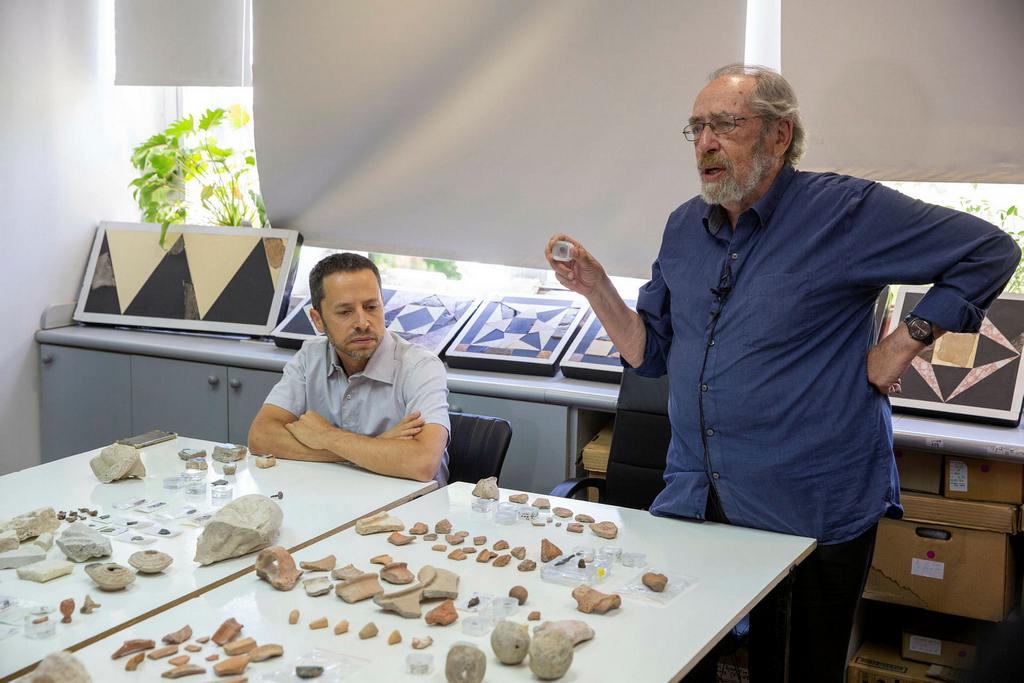
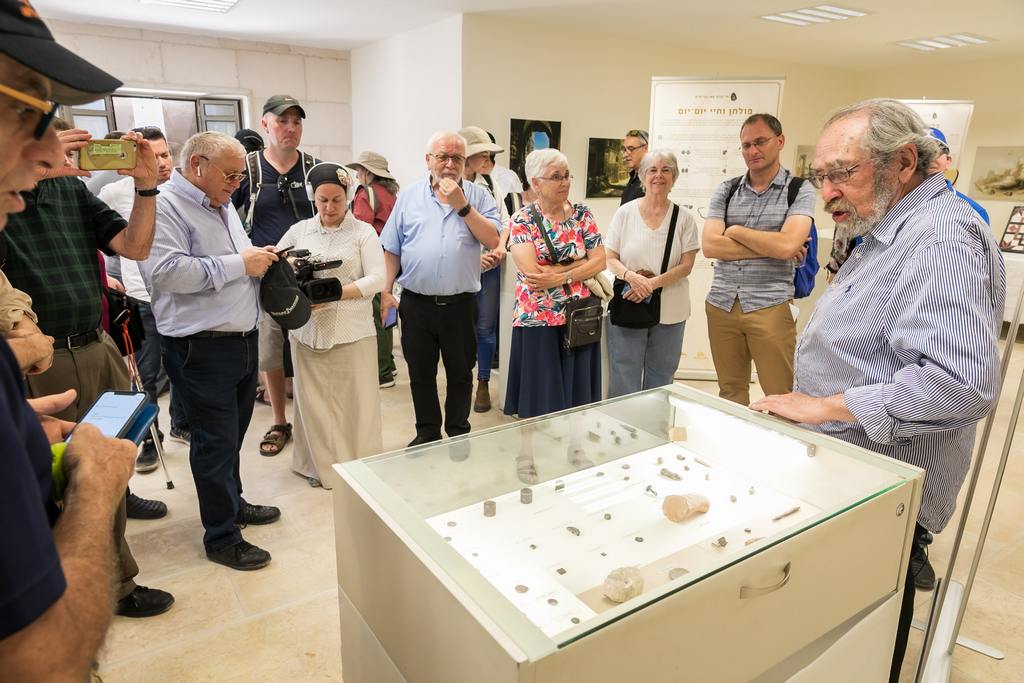
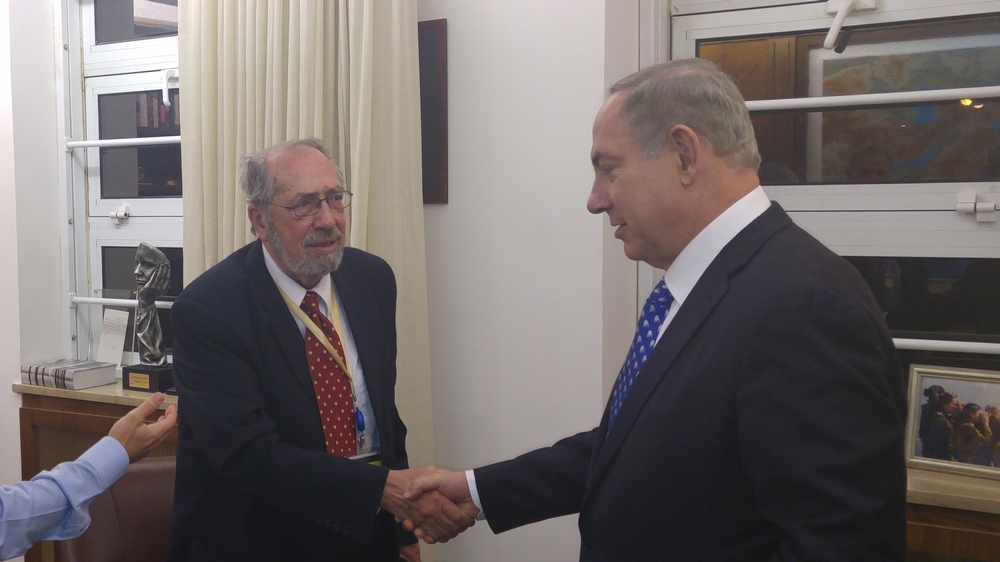
Zachi’s Dvira eulogy:
Gaby – Dear Friend, Teacher, Father of Archaeology
I am grateful for the great privilege that fell to my lot to partner with you in this immense challenge: the rescue, exposure, research, and making accessible of the treasures of the Temple Mount to the general public. This partnership birthed a unique friendship. Despite the generation gap and the differences in character, we complemented one another – a completion that enabled the success of our joint efforts.
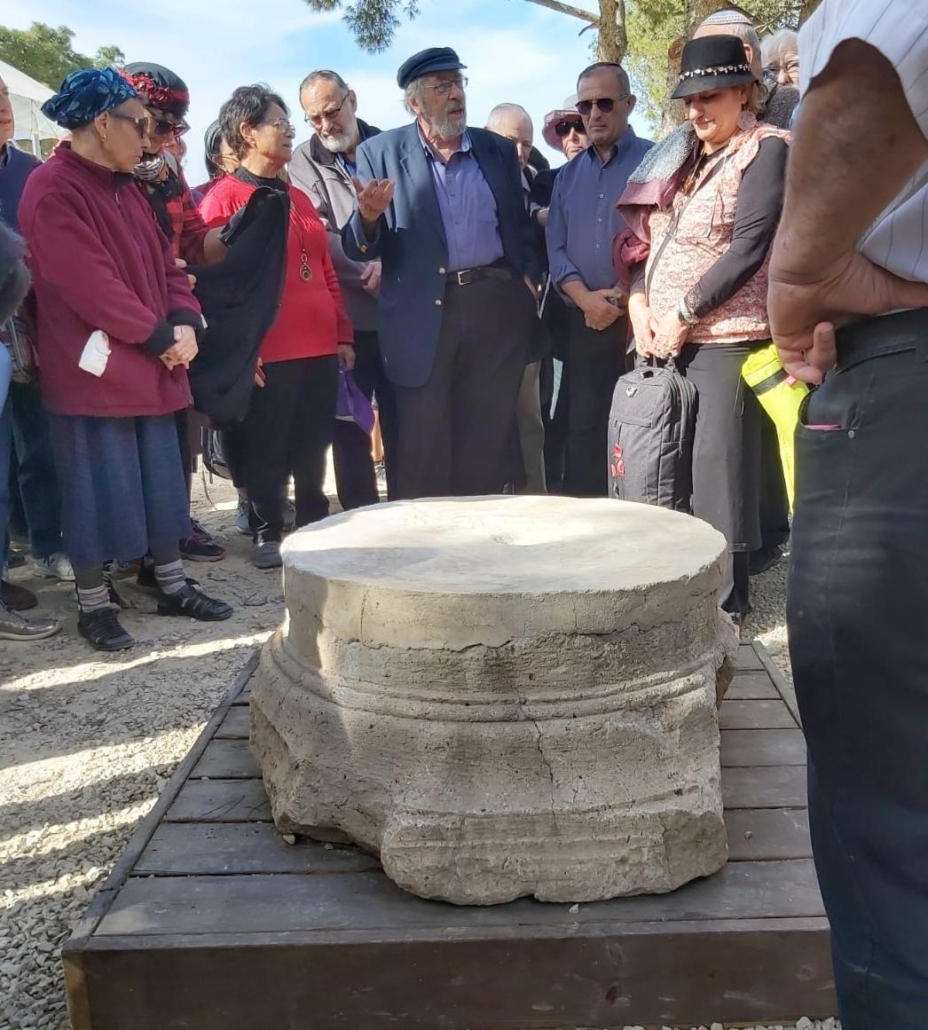
Being in your presence was, for me, a school for the history of Jerusalem. I was privileged to learn directly from a rare remnant of the “generation of giants.” I learned from you not only how to look at artifacts rising from the earth, but how to listen to the story of the people who used and left them behind, and the story of those who discovered them.
For more than being a man of books or a man of objects – you were a man of people. For you, archaeological remains were never the main thing, but merely the means to open a window into the lives of the people who left them. This approach was clearly expressed in the Sifting Project, which is first and foremost a human project; a project of people taking responsibility for saving the heritage of the most holy and important site in the history of Israel, and in doing so, discovering something new and deep about themselves.
Gaby, you were a man of memory. You were gifted with a vast memory, and it was dear to your heart. After all, the archaeological act is an action of reviving the forgotten, reviving the story of the people whose remains we expose. Perhaps because of this, you were so drawn to the study of burial – you wanted to revive the dead, to touch them and their story directly. And perhaps this is the reason you were privileged to discover at Ketef Hinnom one of the most important finds ever in the archaeology of the Land of Israel: the silver amulet bearing the Priestly Blessing.
The Priestly Blessing is a blessing for the living, not for the dead. I do not know what those who buried the deceased with the amulet intended, but since we do not know of a similar find, it is possible that the goal of the “Minister of History” was different: to bless and revive specifically the souls of the living who would one day reveal the amulet. An amulet that would connect them back to their roots, and from the past to the future and to meaning—which is what sustains a person.
Anyone who was in your presence can testify to a special experience of exposure to inexhaustible knowledge. You were like an “ever-flowing spring.” To drive with you through the streets of Jerusalem, when at every corner you point and tell who lived there and what happened there, is a privilege that only few have had. You were privileged to honor the memory of many, and therefore it is fitting that your memory also be honored. I appeal to the tour guides present here, who came to escort you on your final journey: If you pass with travelers on Azza (Gaza) Street in Jerusalem, near the home of “Bibiyahu the First” as Gaby put it, please tell them that the adjacent house was the home of the legendary archaeologist, Gabriel Barkay.
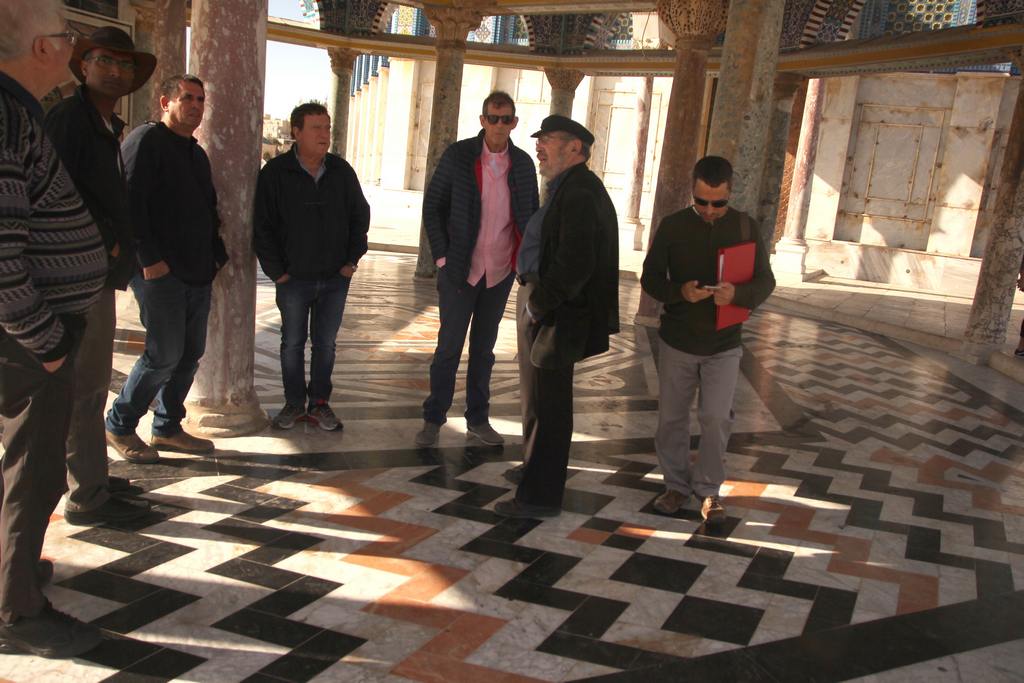
Dear Gaby, you have left a huge void, and I doubt anyone will be able to fill it. We will miss you greatly. We are sorrowful that you will not get to see the final publication of our joint work, the fruit of over twenty years of labor. I had an old hope, that the day would come when you would guide us through the ruins of Shushan the Capital (Susa), which you excavated in the 60s. Recent events hint that perhaps such a tour might be possible in the future, but unfortunately, we will not be able to do it with you.
We loved you very much. Forgive us for not being with you enough in your final days.
May the Place* whose soil we labored to cherish for over twenty years continue to comfort us among the mourners of Zion.
May the Lord bless us all and keep us in your name, and shine your memory upon us. May the Lord lift up His countenance upon you, wherever you are now, and may you rest in peace.
*Translator’s note: In the penultimate paragraph, “The Place” (HaMakom) refers both to the physical site of the Temple Mount and is also a Jewish name for God used specifically when offering condolences.
Discover more from The Temple Mount Sifting Project
Subscribe to get the latest posts sent to your email.


Leave a Reply
Want to join the discussion?Feel free to contribute!