
Taking Egypt out of the Israelites


Is it harder to take Egypt out of the Israelites than the Israelites out of Egypt? A fascinating archaeological discovery from the Temple Mount!
As Passover approaches, many discuss the verse “And the Lord spoke to Moshe and to Aharon, and gave them a charge to the children of Israel, and to Pharaoh king of Egypt, to bring the children of Israel out of the land of Egypt” (Exodus 6:13). It is often said that sometimes it’s harder to take Egypt out of the people of Israel than to take the people of Israel out of Egypt. Usually, this refers to spiritual enslavement – but a brand new discovery uncovered just this week proves that it was just as hard to get “Egyptian” culture out of Judah!
So, what did we find?
Cynics might say Israeli archaeologists always “pull out” discoveries right before the holidays (just like last summer when we found a First Temple destruction clay sealing right before Tisha B’Av). But it turns out reality beats any timing!
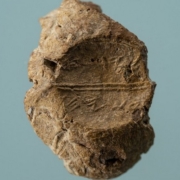
This past Sunday, Arbel Monnickendam and his family came to sift soil from the Temple Mount (don’t worry, we have a protected space), and they found a fragment of a clay sealings from the First Temple period. The sealing features distinct Egyptian symbols, including a winged sun (a symbol of rule under divine protection) and parts of a cartouche (an oval frame enclosing Egyptian names).
We can’t publish more details or a closeup photo just yet, as the artifact requires proper scientific research and publication before being presented to the wider public. But because of the amazing timing right before Passover night, we just had to share our excitement with you!
The Bigger Picture
This finding joins a series of other discoveries from the Sifting Project, Jerusalem, and Judah from the same period, all pointing to a widespread use of Egyptian characteristics in the Judah’s administrative system of the First Temple era. We find the use of Hieratic (Egyptian) numerals, weights and measures, glyptic symbols, and even Egyptian names on seals. We even see this in the Bible itself, especially among priests and Levites who carry Egyptian names (such as Hophni, Phinehas, and Pashhur).
The roots of this Egyptian influence in Judean administration likely go back to the Late Bronze Age when Egypt (in 18th-20th dynasties) ruled Canaan, which required establishing a massive administrative apparatus.
What does this actually mean?
Does using symbols from Egyptian deity worship reflect the adoption of Egyptian religion among the people of Judah? Or did these symbols undergo a “secularization” process, becoming universal administrative icons? (Similar to our secular month names today, like March or July, which originate from Roman gods and rulers).
Another fascinating question: what was the attitude of Judeans during the First Temple period toward Egyptian culture, given the Exodus tradition? As we know, Judah had a complex, rollercoaster relationship with Egypt: from King Solomon’s marriage to Pharaoh’s daughter and extensive trade relations, through Shishak’s invasion and the looting of the Temple, King Hezekiah relying on Egypt against Assyrian invasion, the fatal clash with Pharaoh Necho during Josiah’s reign, and finally, Egyptian military assistance during the Babylonian siege.
We’ll leave the complex answers to the research, but we definitely wanted to share this new layer of data on Israel-Egypt relations revealed just days before Passover.
Happy Passover! May we merit freedom from all enslavements – mental and material – whether “Egyptian” or otherwise. We hold a deep hope for a swift end to the war, by removing all threats from those seeking to destroy the people of Israel
Discover more from The Temple Mount Sifting Project
Subscribe to get the latest posts sent to your email.


Leave a Reply
Want to join the discussion?Feel free to contribute!