
Data Analytics and the Day of Remembrance: Reconstructing the Temple Mount’s History
The biblical name for Rosh Hashanah is Yom Teruah (Day of Blasting) or Zichron Teruah (Memorial of Blasting), and in our prayers, it is also referred to as Yom HaZikaron (The Day of Remembrance / Memory). Despite some uncertainty regarding the original nature of the holiday in the Bible, it is clear that “remembrance” in the scriptures is not just a passive thought, but an active process that experientially connects us to events of the past.
This concept prompted me (Zachi Dvira) to wonder quite a bit about the nature of human memory. About two years ago, I suffered a head injury, resulting in a few hours where I lost access to significant parts of my memory – I forgot where I lived and other crucial details. The injury occurred at the skatepark in Jerusalem while I was with two of my children. All I remember is arriving at the hospital. I couldn’t tell the medical staff where I lived . Despite this, I did remember one specific scene: as I was being loaded into the ambulance, a friend who was at the park came over and told me she was looking after my kids.
Driven by the need to recall certain details, I managed to “dig” into my memory and retrieve them shortly after, and eventually, everything came back to me. This experience made me ask: when memory malfunctions, which events does the brain choose to preserve, and which does it block out?
Even when memory functions optimally, a human being cannot possibly remember the thousands of details they encounter every single day. Ultimately, the brain makes a selection: some events are deeply etched into our minds, while others fade into oblivion. A similar process occurs in historiography (at least in the era before digital documentation); both individuals and societies choose which events to preserve in the memory and which to omit. The result is a subjective narrative – a collection of events selected to serve as an anchor for creating meaning, whether for the individual or the society doing the remembering. In our digital world, saturated with Big and Vast Data, computed analytics have been used for decades to extract meaningful information from raw data, and the AI revolution is taking this processing and selection to entirely new frontiers.
So, how does all of this relate to archaeology? One of the most common (and joking) critiques of archaeologists is that they “dig” too much (in Hebrew slang, “digging” also means talking too much or rambling) when asked to explain their discoveries to the general public. In archaeology, we are essentially uncovering the very facet of the past that historiography usually chose not to preserve – the remains of material culture, which can sometimes seem dull or gray.
Imagine someone asking you, “How was your day?” and in response, you start describing what your alarm clock looks like, what material your bed is made of, the design style of your toothbrush and the exact range of years that style was popular, its level of wear and tear, the average lifespan of your coffee mug before it breaks, and so on. Telling a story like that is pure torture! At the end of the day, what we really want to hear is a sequence of events that builds a complete story.
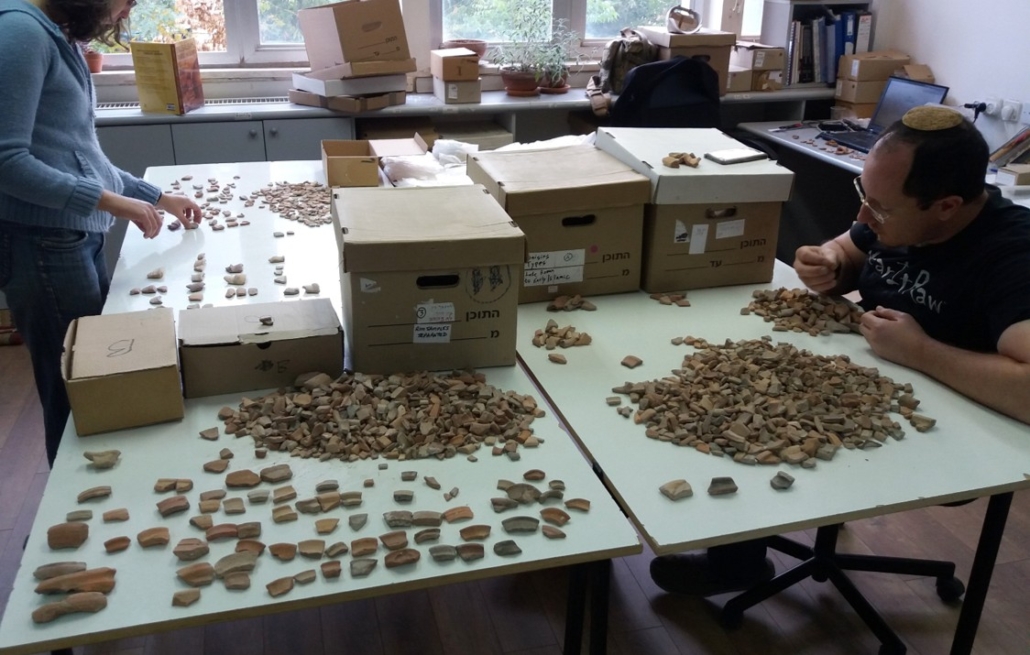
Because archaeology is first and foremost a science, we don’t always know at the outset what story we will be able to distill from the massive collection of artifacts we unearth. Often, the selection of finds and data is dictated by a specific research question. However, when we are required to document everything in order to preserve the data for future generations of researchers, the task becomes infinitely more complex.
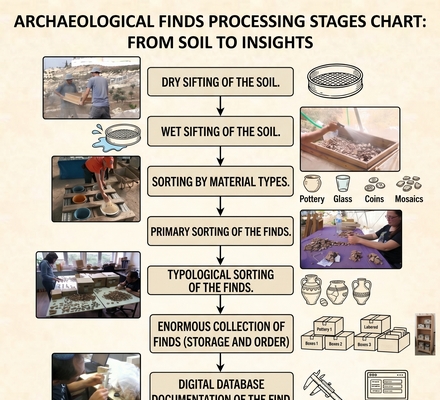
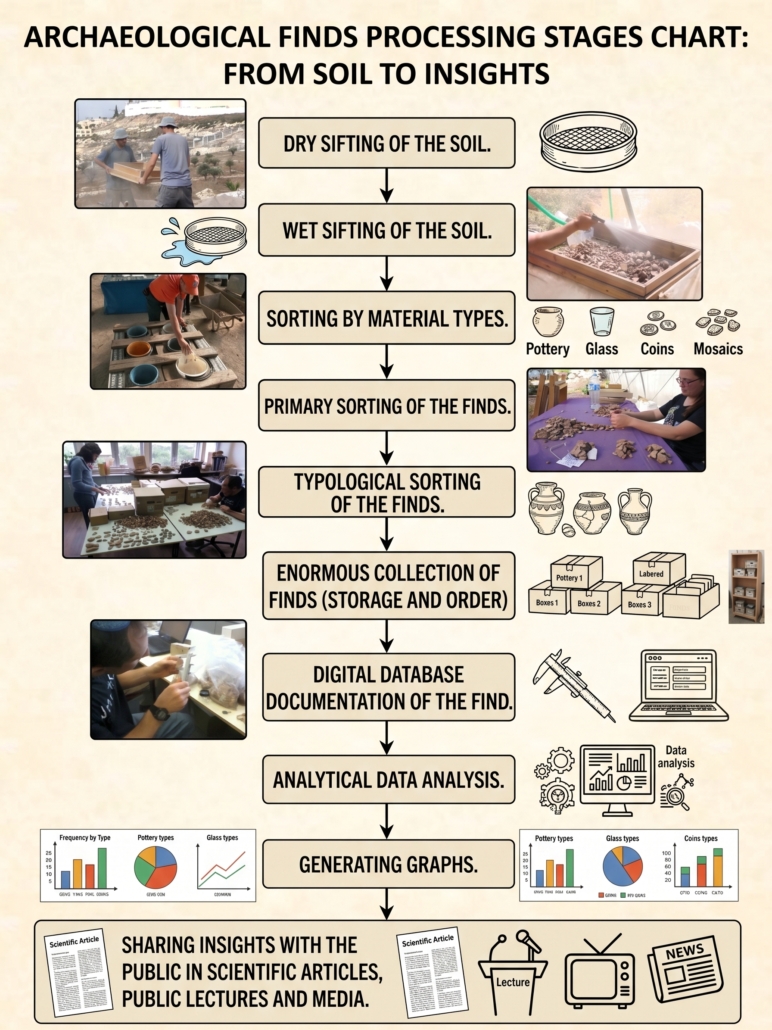
At the Temple Mount Sifting Project, this challenge is magnified exponentially. This is a salvage project dealing with artifacts that have lost their original stratigraphic context. On top of that, our wet-sifting method recovers 100% of the finds with zero selection! So, what do you do when you are flooded with so much data?
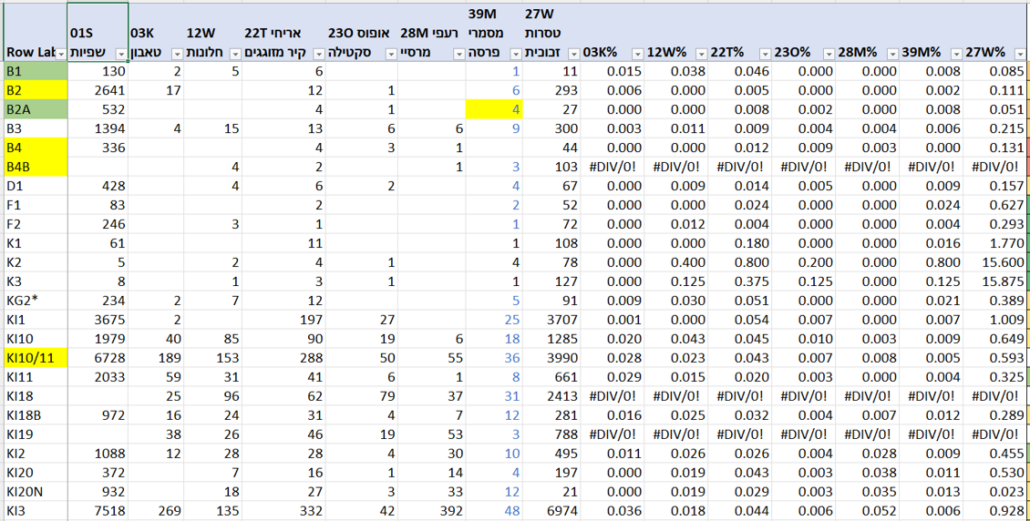
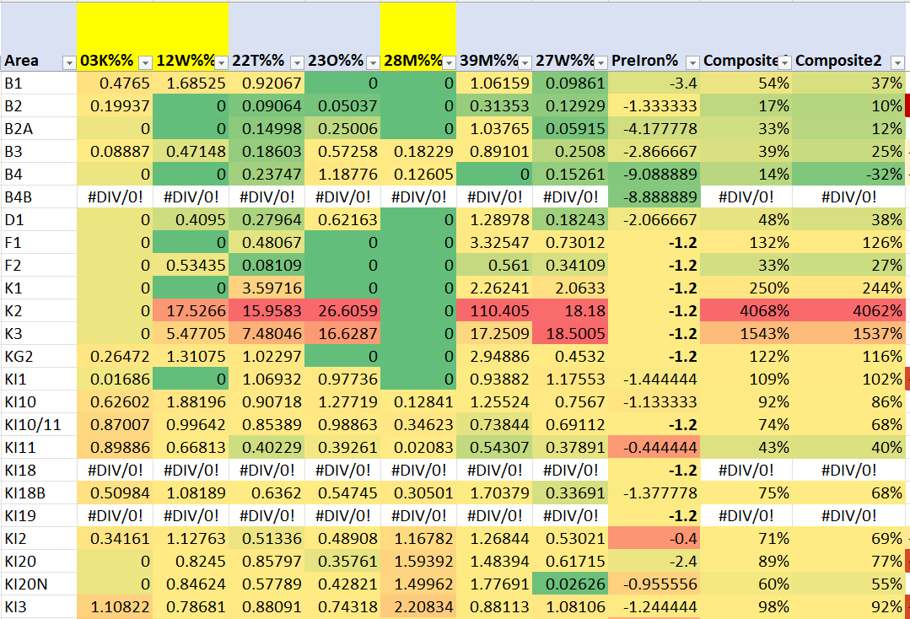
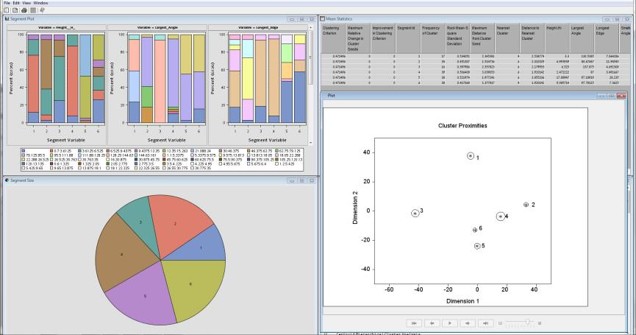
Fortunately, we live in an era where technology allows us to transform raw data into meaningful historical information. My master’s thesis (written between 2001–2006) dealt with exactly this: using Data Mining tools – the precursor to Artificial Intelligence – to analyze archaeological databases. Today, we harness these types of analytical tools, alongside other advanced technologies, to process the enormous quantity of artifacts collected over 22 years of sifting.
These tools allow us to identify unique characteristics of Temple Mount finds compared to other areas in Jerusalem, and even to reconstruct the original context of these artifact groups prior to the Waqf construction dig, by identifying similar distribution patterns across different areas of the soil dump (it might sound impossible, but it works!)
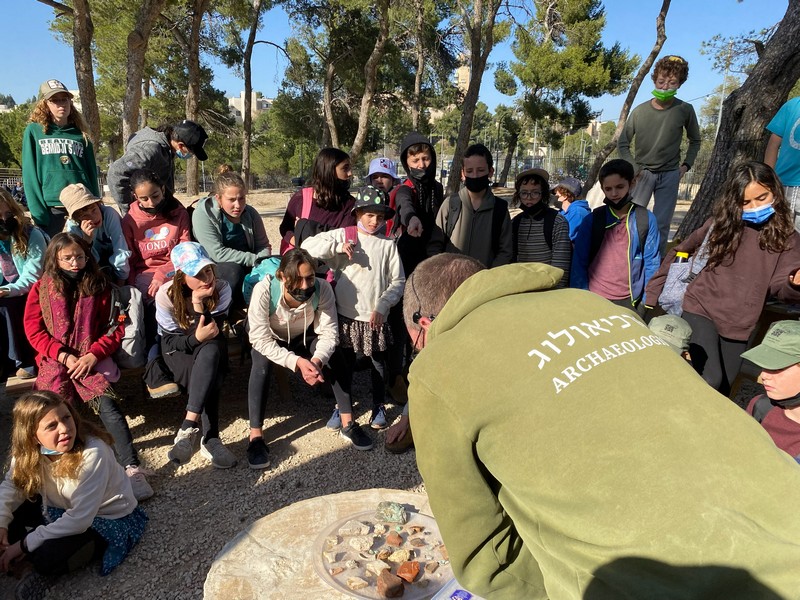
We publish these insights for the scientific community, but more importantly, for the general public, who is thirsty to hear the story of the Temple Mount. We constantly witness the immense excitement of visitors at the sifting site, particularly during the summary stage of the activity, when the archaeologist takes the very artifacts the group just discovered and uses them to weave together the tangible history of the Mount.
The analytics and research applied to the vast collection of artifacts in our possession allow us to reveal another layer in the story of the most important and sacred site in the history of the Jewish people. Specifically there – at the very place from which they would announce to the entire Jewish world when a new month, and of course, a new year, was beginning. This symbolism takes on an even deeper meaning, as the sifting work today takes place at Mitzpe HaMasuot (The Lookout of the Beacons), the historic site where the first beacon was lit to broadcast the news of the new month and the new year to Diaspora Jewry and the rest of the world.
You are welcome to keep joining the sifting project and help us continue to grow the database from which we derivce our insights and tell you a story. We are open during Chol HaMoed Sukkot, as well as during the days leading up to Sukkot. You are invited to register through our website.
Shana Tova to everyone, and may we be blessed with a good memory.
Discover more from The Temple Mount Sifting Project
Subscribe to get the latest posts sent to your email.


Leave a Reply
Want to join the discussion?Feel free to contribute!